HIPAA violations cost small practices millions. Discover how to protect patient data, avoid devastating fines, and maintain compliance without the overwhelm.
Share:

Summary:
The numbers tell an uncomfortable story. In 2024 and 2025, HIPAA enforcement reached some of the highest penalty levels on record, with individual fines exceeding $6 million. More concerning for smaller practices: over 55% of HIPAA fines now target small healthcare providers, not just large hospital systems.
The Department of Health and Human Services made something crystal clear: your practice size doesn’t matter. No matter if you’re a solo practitioner in Danville, IL or a multi-location clinic in Indianapolis, IN, you’re held to the same standards as major medical centers. And regulators are actively investigating organizations of all sizes.
Here’s why violations are spiking. Cybercriminals figured out that smaller practices make easier targets because they typically have fewer IT resources and less sophisticated security. You’re dealing with the same threats as large hospitals, but without their security budgets. Meanwhile, the average cost of a healthcare data breach hit $10.93 million in 2024, and 89% of healthcare organizations experienced at least one breach in the past two years.

Most practices don’t fail compliance because they’re careless. They fail because they don’t know what regulators are actually looking for during investigations. Understanding these trigger points helps you focus your limited time and resources where they matter most.
The single biggest violation: failure to conduct a proper risk analysis. This isn’t optional or “addressable” anymore. OCR expects a thorough, documented Security Risk Assessment from every covered entity and business associate. More than half of recent enforcement actions resolved violations of this specific requirement. If you can’t show regulators a current, comprehensive risk analysis, you’re already in violation before any breach occurs.
Access controls and authentication present another major problem area. Protected health information needs multiple layers of protection, and weak passwords aren’t cutting it. The proposed 2025 HIPAA Security Rule updates will require multi-factor authentication across all access points to electronic protected health information. Even before these rules become mandatory, inadequate access controls are triggering investigations right now.
Missing or inadequate Business Associate Agreements cause surprisingly frequent violations. One physician group paid $500,000 to settle an investigation that found they failed to have a proper BAA with their billing service. Every vendor, contractor, or service provider who touches patient data needs a compliant BAA in place. Your answering service, billing company, transcription service, cloud storage provider, and even your IT support company must sign these agreements.
Employee training gaps create ongoing compliance risks. Staff members need documented HIPAA training at hire and annually thereafter. But here’s what most practices miss: training can’t just check a box. Your team needs to understand real threats like phishing emails, which caused a $600,000 fine when 45 employee mailboxes were compromised and exposed nearly 190,000 individuals’ data. Training must be documented, and employees should sign confidentiality agreements.
Breach notification failures compound initial security problems. When a breach occurs, you have 60 days from discovery to notify affected individuals. Under proposed rule changes, that window could shrink to just 24 hours. Practices that discover breaches but fail to report them properly face penalties on top of the original security violation. You need clear incident response procedures that your entire team understands.
Patient access requests trigger more violations than you’d expect. OCR has been actively investigating practices that fail to provide patients with timely access to their medical records. You must respond within 30 days, and you can only charge reasonable, cost-based fees for copies. Delayed responses or excessive fees can result in enforcement actions, even for small practices.
Ransomware isn’t just a theoretical threat. It’s the primary attack vector compromising healthcare data, accounting for 69% of all patient records breached in 2024. And attackers specifically target healthcare because they know practices will pay to restore access to critical patient information quickly.
The attack pattern is predictable and devastating. Criminals send carefully crafted phishing emails that look legitimate. One employee clicks a malicious link or opens an infected attachment. Within hours, ransomware encrypts your entire system, locking you out of patient records, scheduling systems, and billing data. Operations halt. Patients can’t be seen. Revenue stops. Then comes the ransom demand, often hundreds of thousands of dollars, with a ticking clock.
Indiana and Illinois healthcare providers aren’t immune. Since the start of 2024, the HHS Office for Civil Rights documented six hacking incidents on healthcare providers in Indiana alone. Victims included facilities in Bloomington and other locations, with one incident affecting more than 316,800 individuals. These aren’t isolated events at poorly managed practices. They’re hitting organizations across both states because attackers know smaller providers often lack robust cybersecurity measures.
Legacy systems make you especially vulnerable. Many healthcare organizations still rely on outdated infrastructure that can’t keep up with evolving cyber threats. These older systems weren’t designed with modern security threats in mind. They lack encryption, have known vulnerabilities, and can’t support multi-factor authentication or other current security standards. Budget constraints and concerns about interoperability keep practices from upgrading, but the cost of a security incident far outweighs the cost of modernizing your infrastructure.
The human element remains your weakest link. Research shows 61% of data breaches caused by insiders are unintentional and result from negligence, not malicious intent. An employee uses a weak password. Someone accesses patient records from an unsecured home network. A staff member falls for a phishing email that looks like it came from your EHR vendor. These aren’t bad employees; they’re undertrained employees working in environments without adequate security protocols.
Protecting against ransomware requires multiple defensive layers. You need enterprise-grade firewalls, real-time antivirus monitoring, and email security filtering to block threats before they reach your network. Automated daily backups to secure offsite locations give you recovery options if encryption occurs. Regular security awareness training helps staff recognize and report suspicious emails. Penetration testing identifies vulnerabilities before attackers exploit them. And incident response planning guarantees you can act quickly if a breach occurs, minimizing damage and meeting notification requirements.
Want live answers?
Connect with a CTS Computers expert for fast, friendly support.
Strip away the legal language and HIPAA compliance comes down to three core requirements: protect patient privacy, secure electronic health information, and notify people if that protection fails. But the devil lives in the implementation details, and that’s where most practices struggle.
The HIPAA Privacy Rule governs how you use and disclose protected health information. You need written policies covering every scenario where PHI might be accessed, shared, or discussed. Your Notice of Privacy Practices must be current and provided to every patient. You must obtain proper authorization before disclosing PHI for purposes beyond treatment, payment, or healthcare operations. And you need to limit disclosures to the minimum necessary information required for the intended purpose.
The Security Rule focuses specifically on electronic protected health information. This is where technical requirements get specific and where many practices fall short. You must implement administrative safeguards like designating a Security Officer, conducting risk analyses, and creating security policies. Physical safeguards control facility access and protect workstations and devices. Technical protections include access controls, audit controls, integrity controls, and transmission security. Every one of these areas needs documented policies, implementation, and regular review.
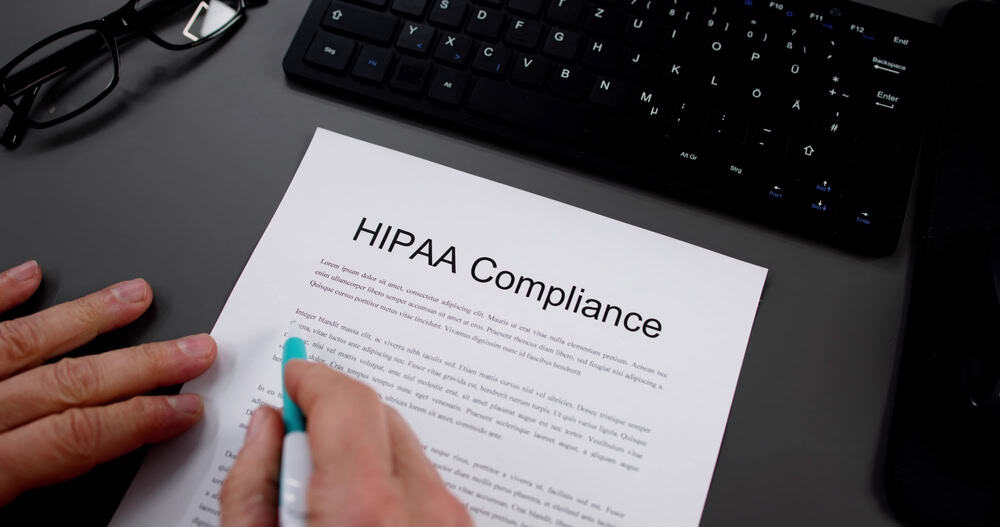
Your risk analysis isn’t a one-time project you complete and file away. It’s a living document that must be updated whenever your systems change, new threats emerge, or vulnerabilities are discovered. And it needs to be thorough enough to withstand OCR scrutiny during an investigation.
Start with a complete inventory of where protected health information exists in your practice. This includes obvious locations like your EHR system and billing software, but also less obvious places: backup systems, employee workstations, mobile devices, paper records, fax machines, and any cloud services you use. You need to know every place PHI could be stored, accessed, transmitted, or received. Many practices discover during this process that they have PHI in locations they didn’t realize, like old backup drives or employee laptops.
Identify potential threats and vulnerabilities for each location. Technical threats include malware, ransomware, hacking attempts, and system failures. Human threats include employee errors, unauthorized access, and insider threats. Physical threats include theft, natural disasters, and unauthorized facility access. Environmental threats include power failures, floods, and fires. For each identified threat, assess both the likelihood it could occur and the potential impact if it did.
Document existing security measures and identify gaps. What controls do you currently have in place? Are they working effectively? Where are the weaknesses? This assessment must cover administrative, physical, and technical safeguards. Be honest about shortcomings. The point isn’t to pretend everything is perfect; it’s to identify and address real risks before they result in breaches.
Prioritize remediation based on risk level and available resources. You can’t fix everything simultaneously, especially with limited budgets. Focus first on high-risk vulnerabilities that could lead to significant breaches. Create a remediation plan with specific actions, responsible parties, and realistic timelines. Document everything. OCR wants to see that you’ve identified risks and are actively working to address them, even if the process takes time.
Review and update your risk analysis at least annually, and more frequently if significant changes occur. Adding new software, hiring staff, moving locations, or experiencing a security incident all trigger the need for reassessment. This ongoing process demonstrates to regulators that you take security seriously and maintain awareness of your risk environment.
Security measures only work if they’re implemented correctly and maintained consistently. Too many practices install security software and assume they’re protected, only to discover during a breach that systems weren’t configured properly or had fallen out of date.
Encryption protects data both at rest and in transit. Every device containing ePHI should use full-disk encryption. Laptops, mobile devices, tablets, and portable storage devices need encryption so that if they’re lost or stolen, the data remains inaccessible. Email containing PHI must be encrypted during transmission. Many breaches occur because unencrypted devices were stolen from vehicles or lost during travel. Encryption would have prevented those incidents from becoming reportable breaches.
Access controls ensure only authorized individuals can view patient information. Every user needs a unique login, never shared accounts. Role-based access limits what each user can see based on their job function. Front desk staff don’t need access to clinical notes. Billing personnel don’t need to view treatment details beyond what’s necessary for coding. Automatic logoff after periods of inactivity prevents unauthorized access when workstations are left unattended. And you must immediately terminate access for departed employees.
Multi-factor authentication adds a critical security layer that passwords alone can’t provide. Even if credentials are compromised through phishing or data breaches, attackers can’t access your systems without the second authentication factor. The proposed 2025 HIPAA Security Rule updates will mandate MFA across all ePHI access points. Implementing it now puts you ahead of regulatory requirements and significantly reduces your breach risk.
Audit controls track who accesses what information and when. These logs serve multiple purposes: they deter inappropriate access because employees know their actions are monitored, they help detect security incidents by revealing unusual access patterns, and they provide evidence during investigations. Regular review of audit logs can catch insider threats and unauthorized access before they escalate into major breaches.
Disaster recovery and cloud services protect against data loss from ransomware, system failures, or disasters. Automated daily backups to secure cloud-based or offsite locations mean you can restore operations even if your primary systems are compromised. Cloud services offer advantages for healthcare providers in Terre Haute, IN and surrounding areas: no expensive on-premise hardware to maintain, automatic updates and patches, scalable storage that grows with your practice, and geographic redundancy that protects against local disasters. But backups only work if you test them regularly. Many practices discover during actual emergencies that their backups are corrupted, incomplete, or can’t be restored quickly. Monthly restoration tests verify your backup systems will work when you need them most.
Patch management keeps systems secure against known vulnerabilities. Software vendors constantly release security updates addressing newly discovered weaknesses. Attackers exploit these known vulnerabilities in unpatched systems. Automated patch management ensures your systems receive critical security updates promptly. This applies to operating systems, applications, medical devices, and network equipment. Delayed patching leaves doors open for attackers.
HIPAA compliance isn’t something you achieve once and forget. It’s an ongoing process that requires constant vigilance, regular updates, and expertise most practices don’t have in-house. The regulatory landscape keeps changing, cyber threats keep evolving, and the stakes keep rising.
You didn’t go into healthcare to become an IT security expert. Your expertise is patient care, and that’s where your focus should remain. But you can’t ignore the reality that protecting patient data is both a legal requirement and a fundamental trust issue with the people you serve.
The practices that maintain compliance without burning out their staff have one thing in common: they partner with IT providers who understand healthcare’s unique challenges. Not generic IT support that treats your medical practice like any other business. Specialized healthcare IT support that knows HIPAA requirements, understands the specific threats facing medical practices, and can implement security measures that actually protect patient data while keeping your operations running smoothly.
We’ve spent over 30 years helping healthcare providers across Illinois and Indiana navigate these exact challenges. Our team understands what regulators look for during investigations, how to implement security measures that satisfy compliance requirements, and how to protect your practice from the cyber threats targeting healthcare organizations every day.
Article details:
Share:
Continue learning: